V1 Box
First-version concept2 external antennas · USB-C · Wi-Fi uplink · no LAN
Target: up to 10 concurrent users and 7 Mbps per userShareNet makes sharing and using the Internet that already exists simpler and fairer.
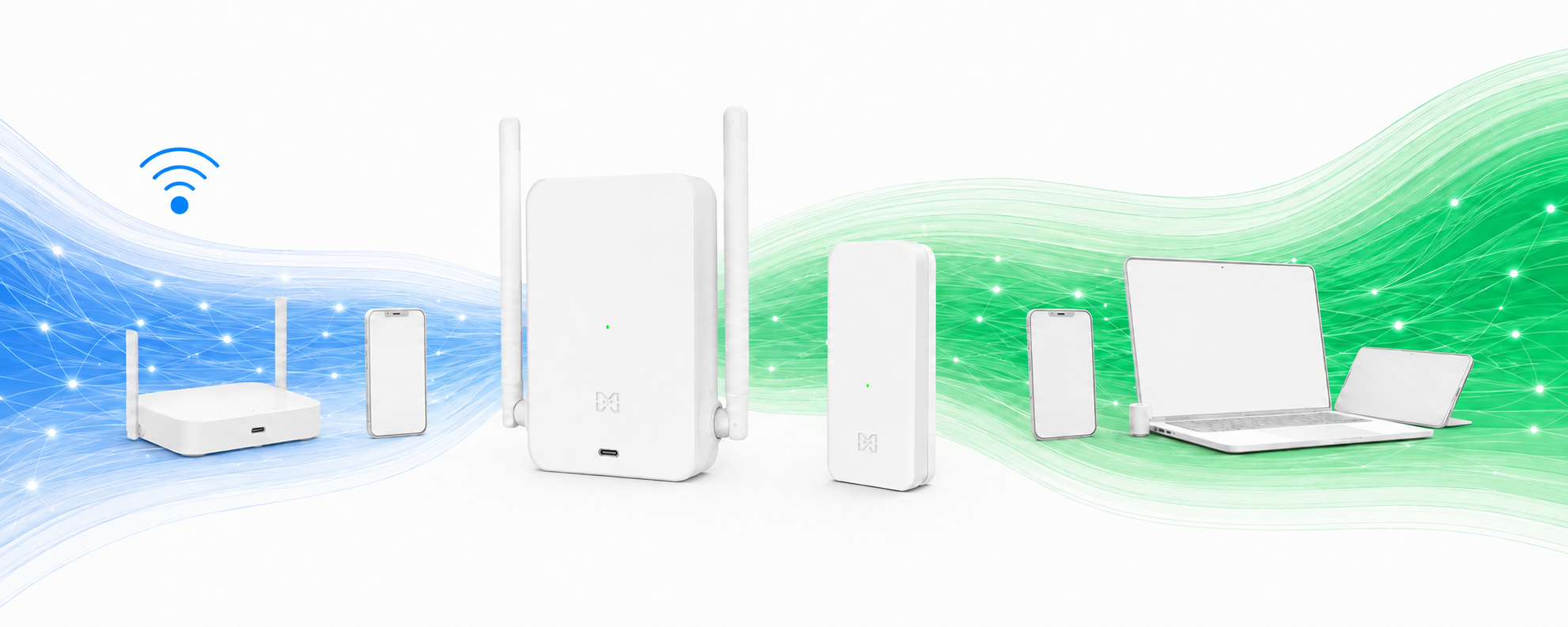
SYSTEM MODEL — NOT LIVE COVERAGE
Traffic exits through the Host’s existing Internet. Server + Admin centralize identity, policy, metering, accounting, and audit. Hardware provides the access layer, while Clients use one account and portable balance across available ShareNet points.
ShareNet is an access layer, not a new ISP, and it does not claim universal coverage.Supplies an existing connection and keeps power, location, and availability ready
V1 Box and Link connect the source to users
Connects, tops up, uses data, and pays for actual usage
Runs identity, policy, metering, accounting, and audit
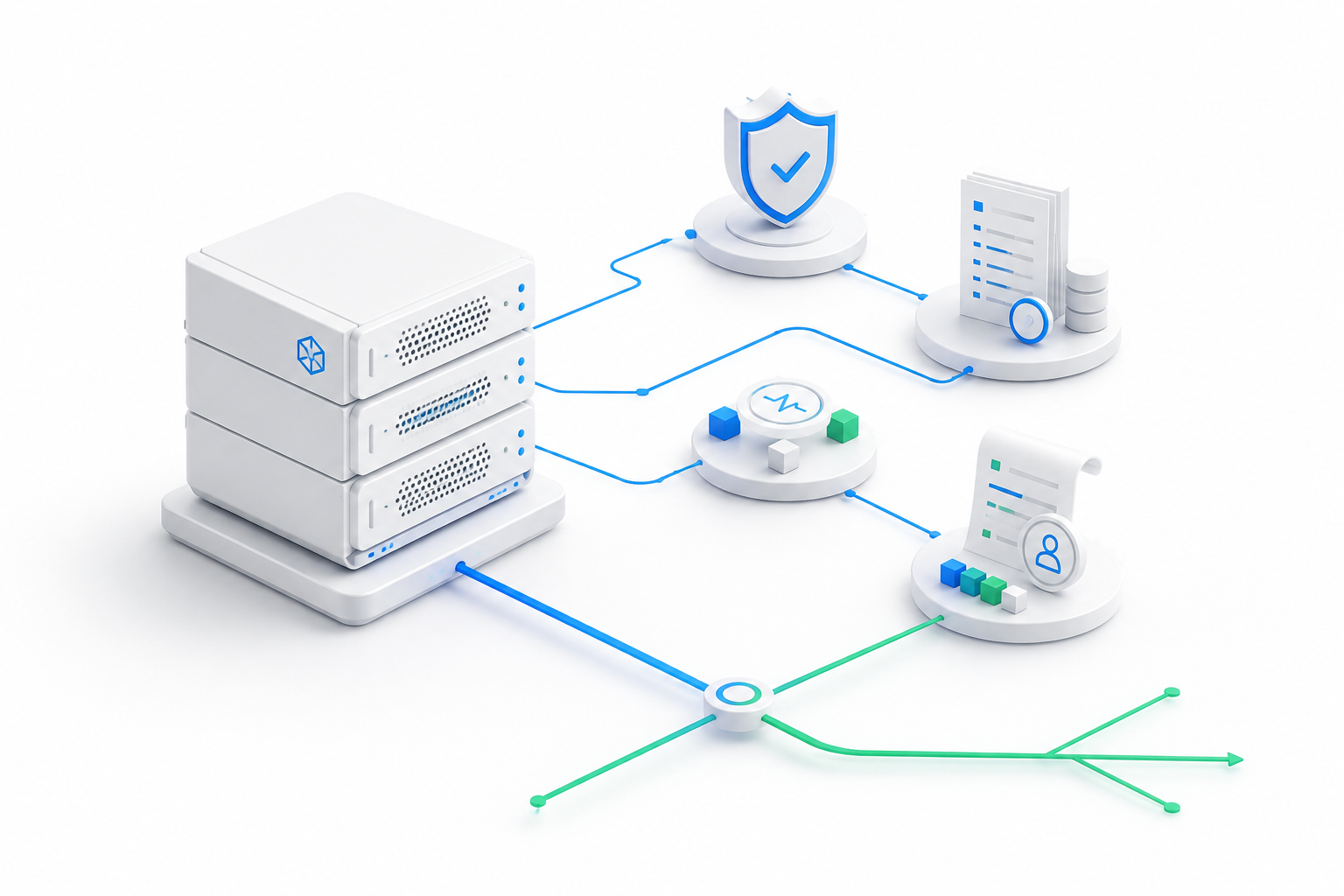
Server is the source of truth for accounts, balances, policy, metering, and accounting. Admin exposes Node health, Host operations, transaction audit, and dispute or anomaly handling.
V1 Box is the compact, low-power entry point. V2 adds capacity and connectivity. ShareNet Link is a separate bridge / coverage device and never owns billing or account logic.
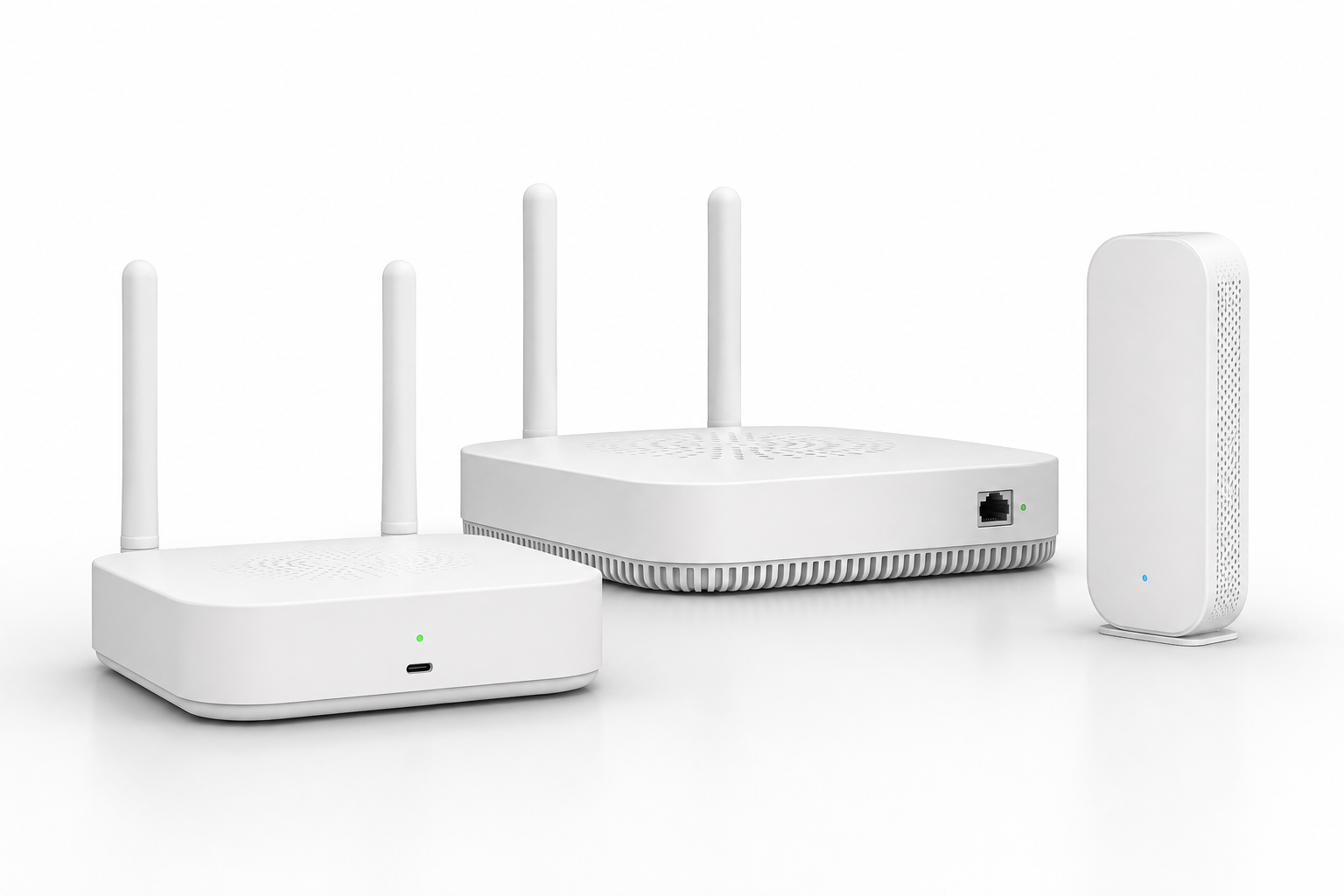
2 external antennas · USB-C · Wi-Fi uplink · no LAN
Target: up to 10 concurrent users and 7 Mbps per userHigher capacity · Wi-Fi 6 or suitable radio · LAN included
Target: 20–30 active clients and dedicated Link backhaulBridge / coverage extension · no NAT, DHCP, captive portal, or billing
Preserves Client identity and supports wireless or Ethernet modes by version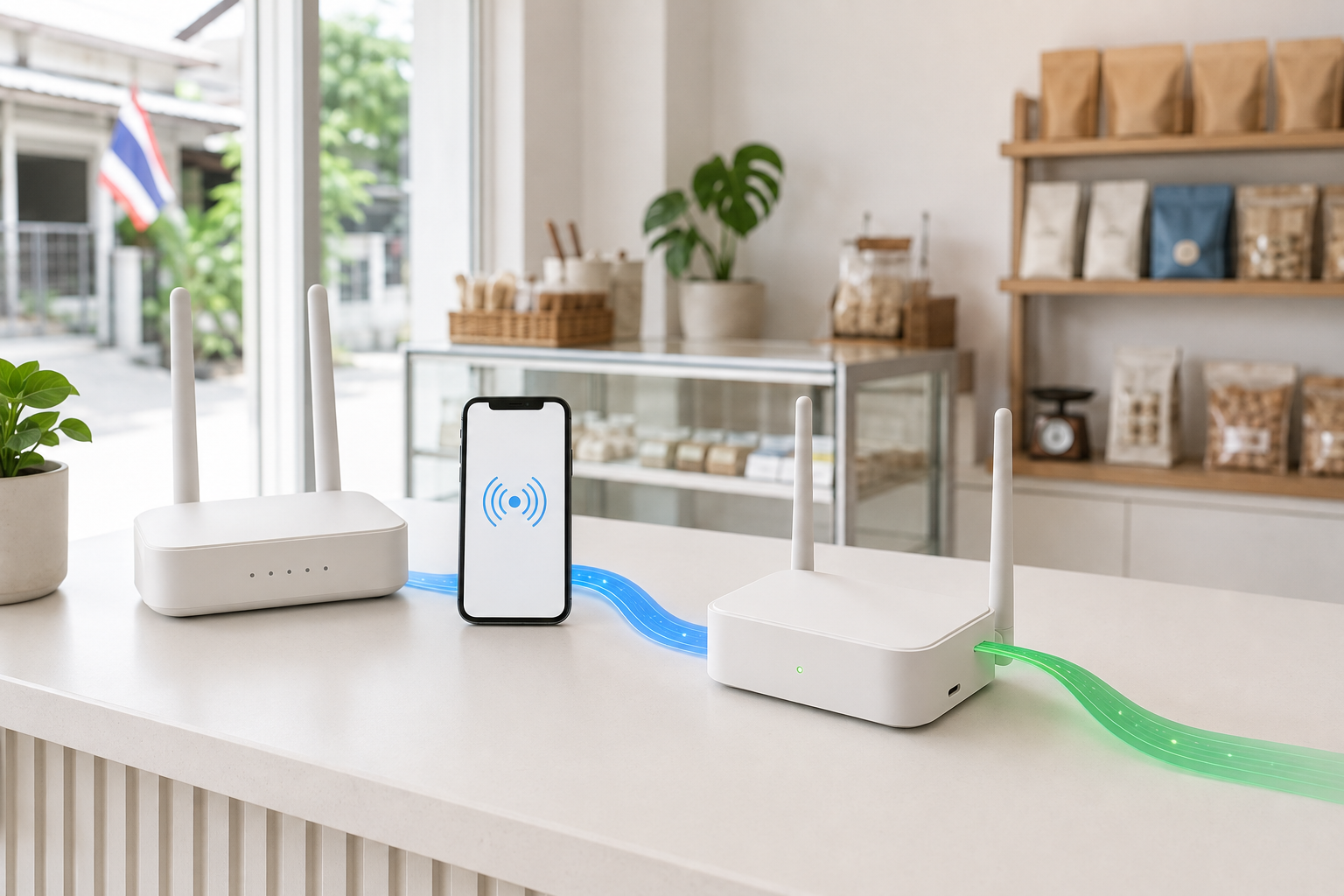
A Host starts with Internet already available in a home, shop, or community site, then connects ShareNet Hardware to that source. Central services remove the need to manage every user by hand.
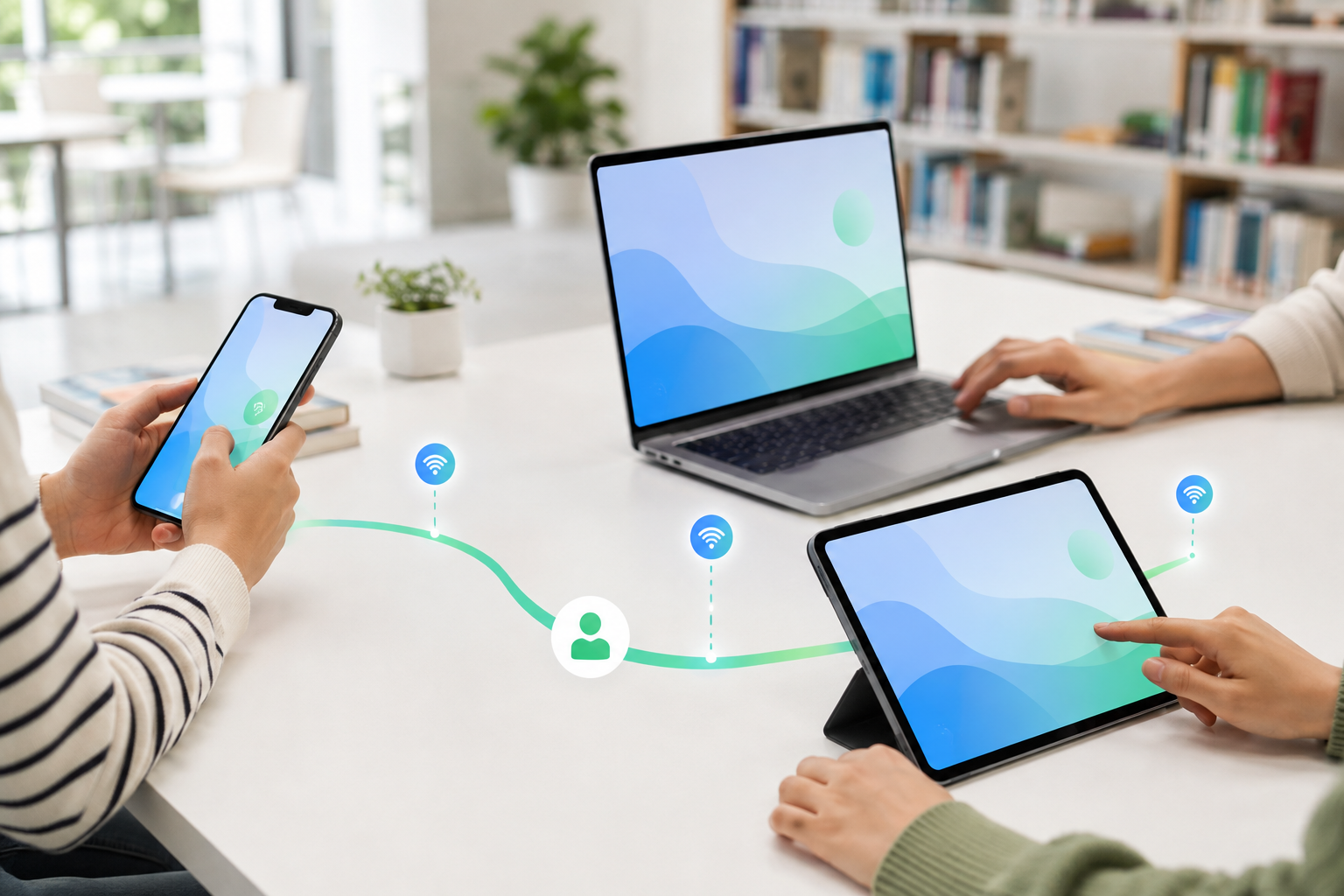
Clients connect to ShareNet, top up, use the Internet, and pay for actual data. The account and remaining balance are designed to continue across available ShareNet points without needing to know who owns each Node.
Completed work is backed by the physical pilot suite. Anything not yet proven is named explicitly as the next gate.
The current result is single-Box pilot acceptance—not public-production readiness.
Baseline stability, policy, accounting, and recovery passed on the prototype
Prove cross-Box balance, bandwidth sharing, and client isolation
Soak, power, RF/thermal, multi-ISP, Cloud HA, and manufacturing operations
The redesigned Investor Deck separates system vision, hardware concepts, completed validation, and next gates—without blurring a concept into production status.